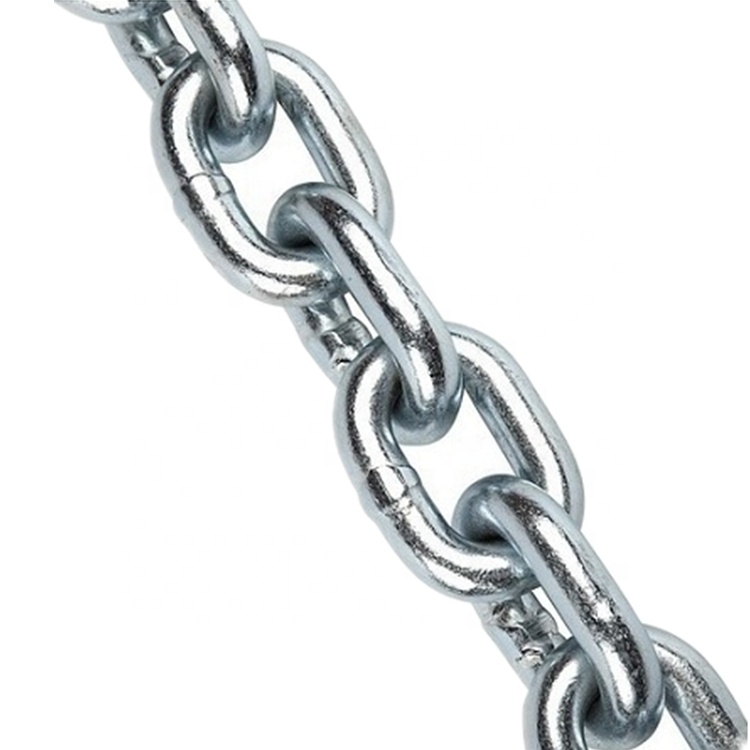
High-test (HT) carbon steel anchor / windlass chain made to ISO specifications with short links
Short links make chain more flexible – ideally suited as windlass chain and less likely to tangle in the chain locker
Links are calibrated to fit most any windlass wildcat with an "HT" designation*
High test chain is widely used for its "strength-to-link" factor – working load limit is approximately twice that of BBB or proof coil chain of comparable size
Extra-thick hot dip galvanized finish offers superior corrosion protection and is recommended for all marine applications
Links are identified with an embossed "G4" mark
G43 chain is factory tested to twice its working load limit to ensure quality and reliability
Grade 43 chain is a steel chain that possess greater tensile strength than Proof Coil Chain. Grade 43 Binder Chains typically has a 50% higher working load limit than Proof Coil or Grade 30 Chain. . G43 binder chains are also referred to as High Test Tow Chains, or Log Chains. Grade 43 Chain is NOT approved for overhead lifting. The Binder chains are supplied with a clevis grab hook on each end.
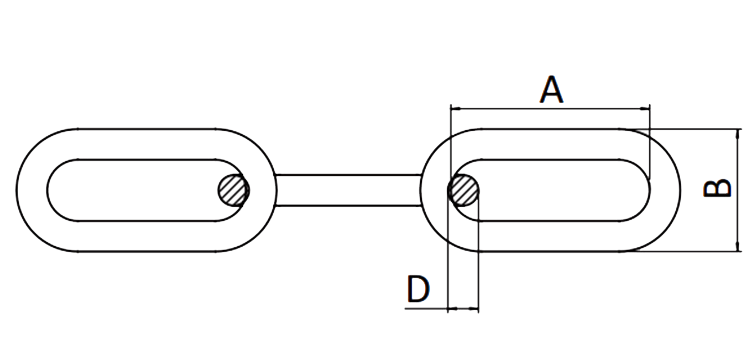
Chain Size Working Load Limit (WLL) Proof Load Minimum Breaking Load Length per Reel Weight per Meter
Grade 43 High Test Anchor Windlass Chain is a calibrated welded high tensile carbon steel chain designed for anchor windlass systems and marine anchoring applications. Manufactured to Grade 43 (G43) High Test requirements, the chain provides a higher Working Load Limit than Grade 30 proof coil chain of the same diameter while maintaining compatibility with calibrated windlass gypsies. Standard chain sizes range from 1/4 in. to 1/2 in. (6 mm–13 mm), with additional sizes available upon request. The chain is supplied with hot-dip galvanized, zinc plated, or self-color finishes and is proof tested before shipment. The product is intended for marine anchoring and is not designed for overhead lifting.
Parameter
Grade of Chain: NACM (National Association of Chain Manufacturers & ASTM (American Society for Test Materials) classify chains in various grades. The higher the grade, the higher the working load limit for the same size of chain.
Working Load Limit (WLL): (rated capacity) Is the maximum working load that should be applied In direct tension to an undamaged straight length of chain.
Proof Test: (manufacturing test force) Is a term designating the minimum tensile force which has been applied to a chain under a constantly increasing force In direct tension during the manufacturing process. These loads are manufacturing integrity tests and shall not be used as criteria for service or design purpose.
Minimum Breaking Force: The minimum force at which the chain during manufacture has been found by testing to break when a constantly increasing force is applied in direct tension. Breaking force values are not guarantees that all chain segments will endure these loads. This test is a manufacturer’s attribute acceptance test and SHALL NOT be used as criteria for service and design purpose.
Overhead Lifting: The process of lifting that would elevate a freely suspended load to such a position that dropping a load would present a possibility of bodily injury or Property damage.
Manufacturing Standards: Manufactured from high tensile carbon steel in accordance with NACM Grade 43 High Test Chain requirements, applicable ASTM material specifications, ASME B30.26, OSHA 1910.184, and calibrated short link manufacturing requirements for marine anchor windlass systems. Products are manufactured with electrically welded construction and are available with hot-dip galvanized, zinc plated, or self-color finishes.
Testing Standards: Each chain undergoes proof load testing, dimensional calibration, weld inspection, visual inspection, mechanical property verification, and coating inspection before shipment. Working Load Limits and Minimum Breaking Loads are verified in accordance with NACM Grade 43 requirements. Production batches are supplied with inspection reports, material certificates, and complete traceability documentation upon request.
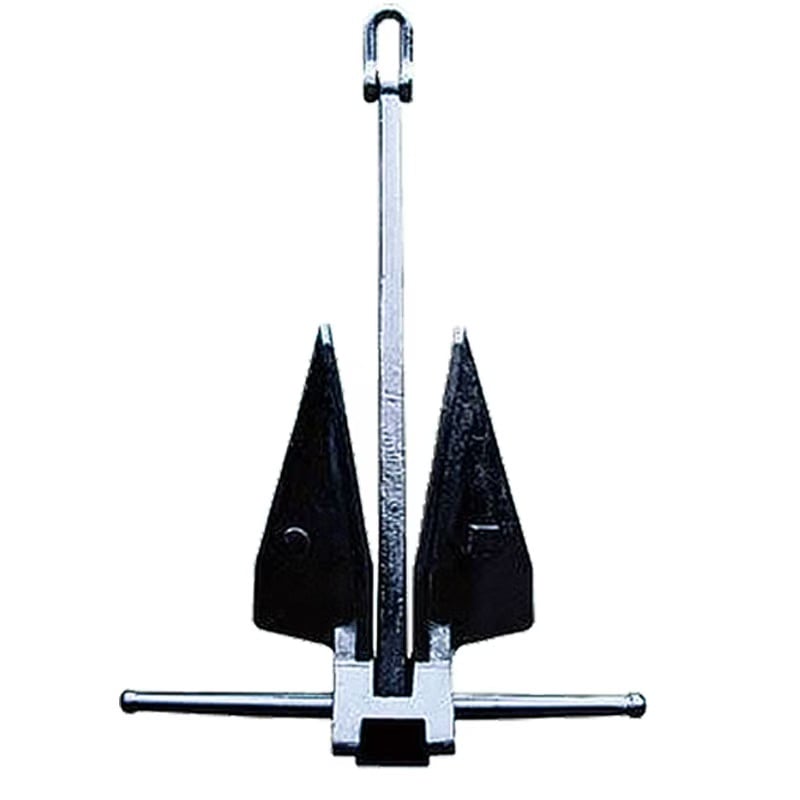
Application Standards: Suitable for anchor windlass systems, anchor rodes, recreational boats, yachts, sailing vessels, fishing boats, workboats, marina facilities, dock mooring, and general marine anchoring applications where Grade 43 High Test calibrated chain is specified. The chain shall not be used for overhead lifting, crane lifting, or suspended load applications.
Maintenance Standards: Inspect the chain regularly for corrosion, excessive wear, elongated links, cracked welds, deformation, coating damage, and compatibility with the windlass gypsy. Replace chain sections showing excessive wear or damaged welds. After extended seawater service, rinse the chain with fresh water where practical and inspect the galvanized coating periodically to maintain anchoring performance and service life.