Rotary kilns are the heart of cement production, lime manufacturing, and mineral calcination processes. These massive rotating cylinders—often exceeding 5 meters in diameter—operate at extremely high temperatures, transforming raw materials through complex chemical reactions and thermal processing. However, without internal heat exchange systems, a significant portion of the heat generated by the burner is simply wasted out the exhaust stack, reducing efficiency and increasing fuel consumption.
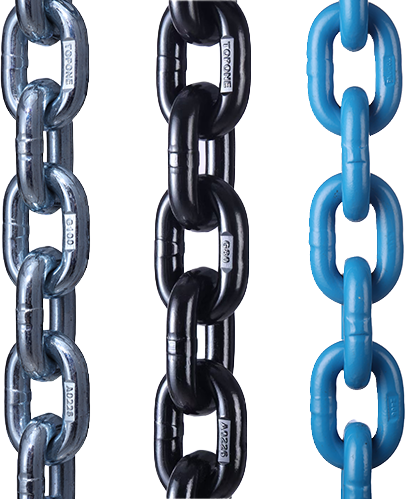
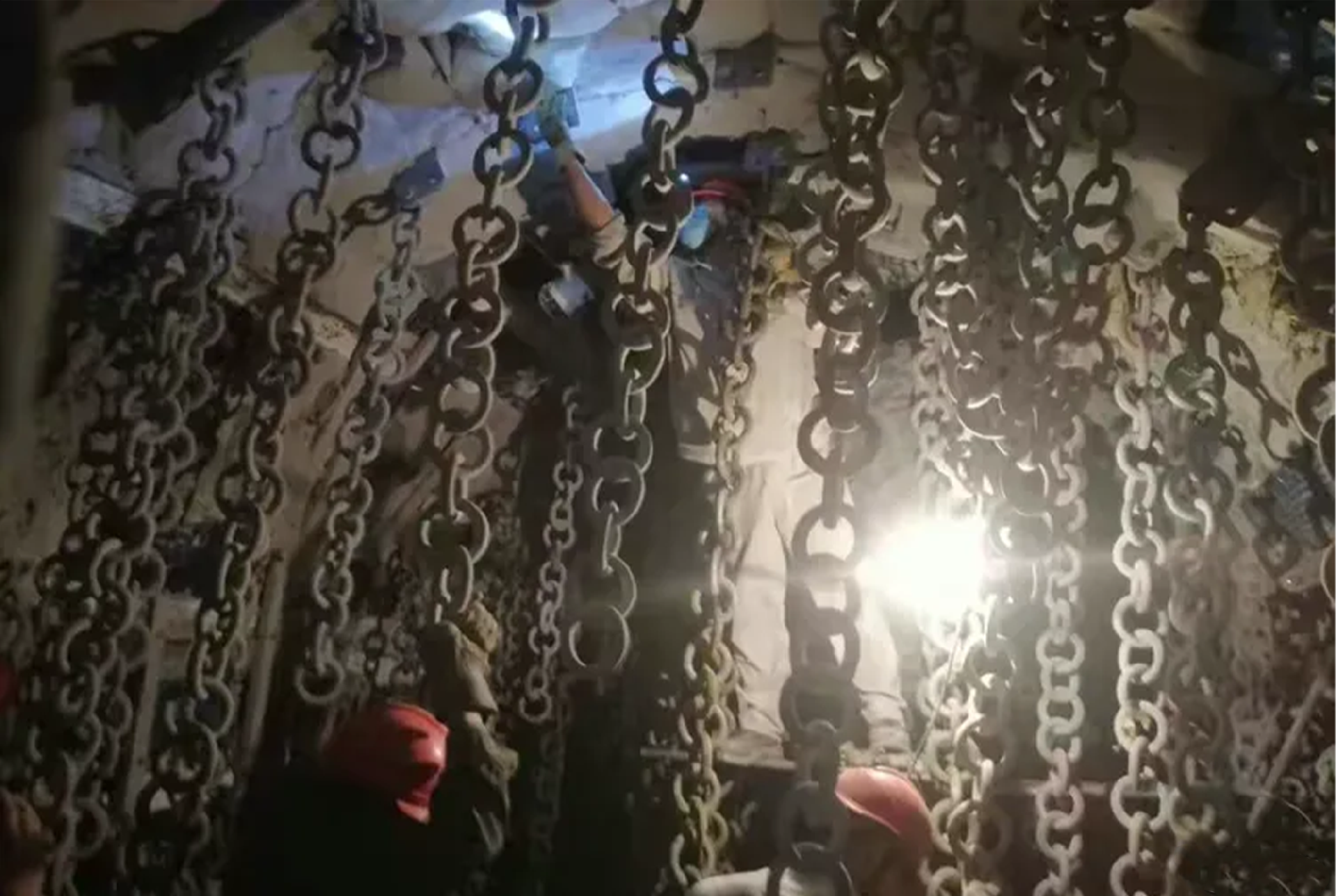
This is where rotary kiln heat exchange chain systems come into play. Kiln chains are high-strength, heat-resistant chains installed inside rotary kilns to serve a critical dual purpose: they function as a highly efficient internal heat exchanger and as a material handling system. They absorb immense heat from hot process gases and transfer it directly to the raw material, while simultaneously guiding, breaking up, and mixing that material as it moves through the kiln. The presence of chains is what elevates a rotary kiln from a simple heated cylinder to a highly optimized thermal processing unit.
What Are Rotary Kiln Heat Exchange Chain Systems?
The Working Principle
Chains are typically hung in dense curtains in the cooler, feed-end section of the kiln. As the kiln rotates, these chains are lifted through the hot gas stream, where they absorb heat through convection and radiation. They then dip down into the bed of raw material, transferring this stored heat directly via conduction. This cycle repeats continuously, creating a massive surface area for heat exchange.
The chain curtain serves multiple critical functions:
| Function | Description |
|---|
| Heat exchange | Transfers heat from hot gases to raw material, dramatically improving kiln efficiency |
| Material transport | Lifts and cascades material through the gas stream for uniform heating |
| Cleaning | Scrapes adhered material from kiln walls, preventing build-up |
| Dust suppression | Creates a curtain that reduces gas velocity and captures fine particles |
The Primary Role: Driving Pre-heating and Drying
In many processes, such as wet-process cement manufacturing, the raw material enters the kiln as a wet slurry or "mud". The chain system's primary job here is to use captured heat to evaporate this moisture, effectively pre-drying and preheating the feed before it reaches the hotter zones of the kiln where chemical reactions like calcination occur.
The Secondary Role: Material Conditioning
Beyond heat transfer, the physical action of the chains plays a vital role in preparing the material for processing. The chains act as "lifters," scooping up material and showering it through the hot gas stream as the kiln rotates—an action known as cascading. This breaks up the solid bed of material, exposing more surface area to the hot gases, enhancing convective heat transfer, and ensuring more uniform heating. In processes involving sticky or clumpy feed, the continuous movement and weight of the chains help break up agglomerations, preventing the formation of large "mud rings" or "balls" that can obstruct material flow and cause imbalances in the kiln.
Chain System Design and Configuration
Chain Curtain Zones
The physical state of the raw material can be divided into three distinct stages—slurry, plastic, and granular. Well-designed kilns therefore have chain systems of uneven density, tailored to the needs of the raw material in each particular section.
Slurry Zone (Dust Curtain)
Curtain-hung chains in this zone maximize dust retention. Recommendations include:
Chain density: 8-13 m² of chain surface area per m³ of kiln volume
Free-board height beneath chains: 27% of kiln diameter
Chain free ends should be as close as possible to the slurry surface without actual contact
Plastic Region (Garland Zone)
In this region where slurry enters its plastic or "puggy" state, the chain system must ensure:
Recommended parameters:
Free-board: 35-45% of kiln diameter
Chain density: 6.5-10 m² chain surface area per m³ of kiln
Typical zone length: 1.5-3.0 kiln diameters
Material Preheating Zone
This zone preheats material prior to the calcining section:
Chain density: 6.5-10 m² chain surface area per m³ of kiln
Zone length: 1.0-1.5 kiln diameters
Free-board: 20-25% of kiln diameter
Chain Configurations
| Configuration | Description | Best For |
|---|
| Curtain chains | Uniform density hanging chains; maximize dust retention in slurry zone | Slurry zone, dust capture |
| Garland chains | Dense, interlinked arrangement; good for cleaning and material transport | Plastic region |
| Flower garland chains | Specialized configuration; beneficial for improving heat transfer efficiency and protecting material balls | Heat exchange optimization |
Material Selection for Kiln Chains
Kiln chains operate in a harsh environment of high temperatures, abrasive materials, and potentially corrosive gases. They are subject to wear, stretching, and thermal degradation. Material selection is therefore critical to chain performance and service life.