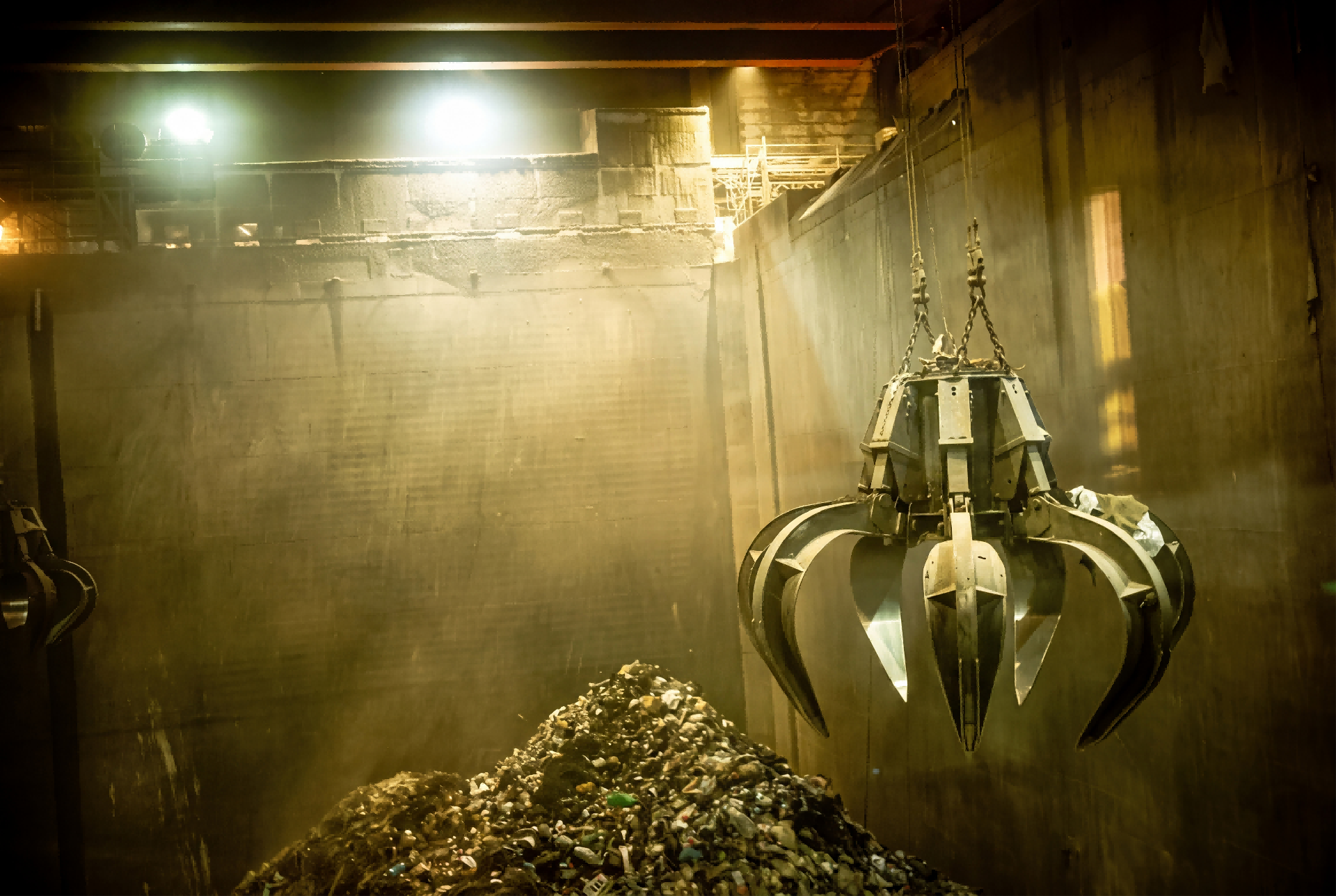
Wood chips and crop residues can bridge; RDF may contain film, textile and fibres that wrap around shafts; municipal waste can contain metal, glass and stones that cause impact or jams. Conveyor selection must use fuel properties and processing stage.
Common Applications
Biomass fuel conveying
Waste-to-energy systems
RDF transport lines
Alternative fuel handling
Waste processing facilities
System Design
Define the Fuel First
Record bulk density, moisture, particle-size distribution, fines, temperature and contaminants. ISO 21640:2021 classifies solid recovered fuel and states that untreated municipal solid waste is not SRF. MSW needs sorting, size reduction and metal removal before fuel handling.
Fibrous fuel needs hopper geometry that prevents bridging and rat-holing; a larger chain cannot correct poor discharge. RDF needs anti-wrapping details and inspection access. Tramp metal requires separation and overload protection.
Select Conveyor and Chain Together
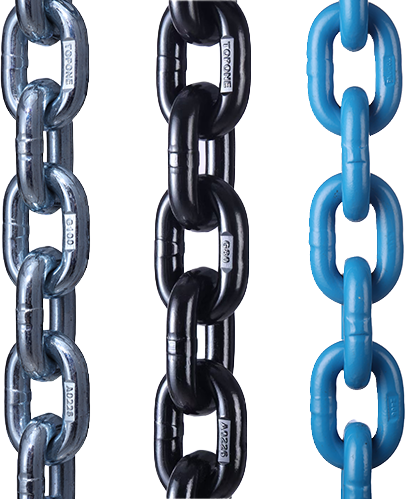
Enclosed drag conveyors may use forged links, calibrated round-link chain, or engineering pin-and-bush chain with flights. Apron feeders may suit coarse material; belts or screws may suit uniform fuel. These chain families are not interchangeable.
Forged systems require matching pitch, width, pin, bushing, flight fixing and anti-rotation method. Round-link systems require matching diameter, pitch, tolerance, attachment and pocket-wheel profile. Where ISO 1977:2006 applies to bush or roller chain, it covers chain, attachments and sprockets as one system.
Capacity and Chain Pull
Approximate mass flow is:
Q = 3600 A v ρ φ
A is the effective cross-section in m²
v is the conveyor speed in m/s
ρ is the fuel bulk density in t/m³
φ is the filling factor
Moisture and compaction change ρ and φ, so minimum and maximum fuel conditions must be checked. Verified mass feeding requires a suitable weighing system.
Chain pull includes material drag, chain-and-flight resistance, incline, return and acceleration. Loaded starts, bridge collapse, foreign-object jams and unequal strand loading require the OEM duty factor. Select by working pull, starting torque and minimum breaking force; lifting-chain WLL is not a conveyor rating.
Chain Engineering
Material and Manufacturing
Tempered alloy steel provides core strength and impact resistance. Case-hardened links or bushings suit sliding abrasion; induction-hardened pins and wheel faces provide local wear resistance. Selection must follow the damage mode: link wear, joint wear, corrosion or fatigue.
Forged links require controlled forging, machining, heat treatment and crack inspection. Round-link chains require forming, butt welding, heat treatment and calibration. Material, dimensions and test records should be batch-traceable. Twin strands must be matched and tensioned equally.
Corrosion and Temperature
Moisture, chlorides and organic acids accelerate corrosion. Galvanized carbon steel is suitable only when the process preserves specified properties. Stainless parts may resist corrosion but do not automatically provide adequate wear or breaking strength. Stainless chain must have no coating.
Upstream fuel conveyors do not automatically need heat-resistant chain. Use continuous and peak fuel, casing and component temperatures when selecting materials.
Safety and Maintenance
Fire and Process Protection
Wood and RDF fines can create combustible-dust hazards. NFPA 660:2025 or the local standard requires a hazard-based approach. Dust collection, ignition control, temperature monitoring, fire detection and explosion protection must follow the plant assessment. ISO 21912:2021 covers risk-based SRF handling and storage.
Monitor chain speed, motor torque, take-up and discharge. Zero-speed detection identifies stopped motion; rising torque can indicate bridging or a trapped object. Interlocks must stop upstream feed before overfilling a stationary conveyor.
Inspection and Replacement
Record new-chain pitch, link or pin section, strand matching, sprocket and take-up position. After running-in, set intervals from hours, starts, contamination and wear rate. Inspect flights, fasteners, bushings, welds, corrosion, distorted links, wheel teeth and liners. Apply OEM limits; pitch extension alone does not show section loss or fatigue damage.
Information Required by TOPONE
Fuel type and processing stage
Density, moisture and particle-size range
Maximum piece size and contaminants
Capacity, speed, length and inclination
Chain dimensions, material and drawings
Flight, attachment and wheel details
Drive torque, start and overload settings
Continuous and peak temperatures
Corrosion, fire and certificate requirements