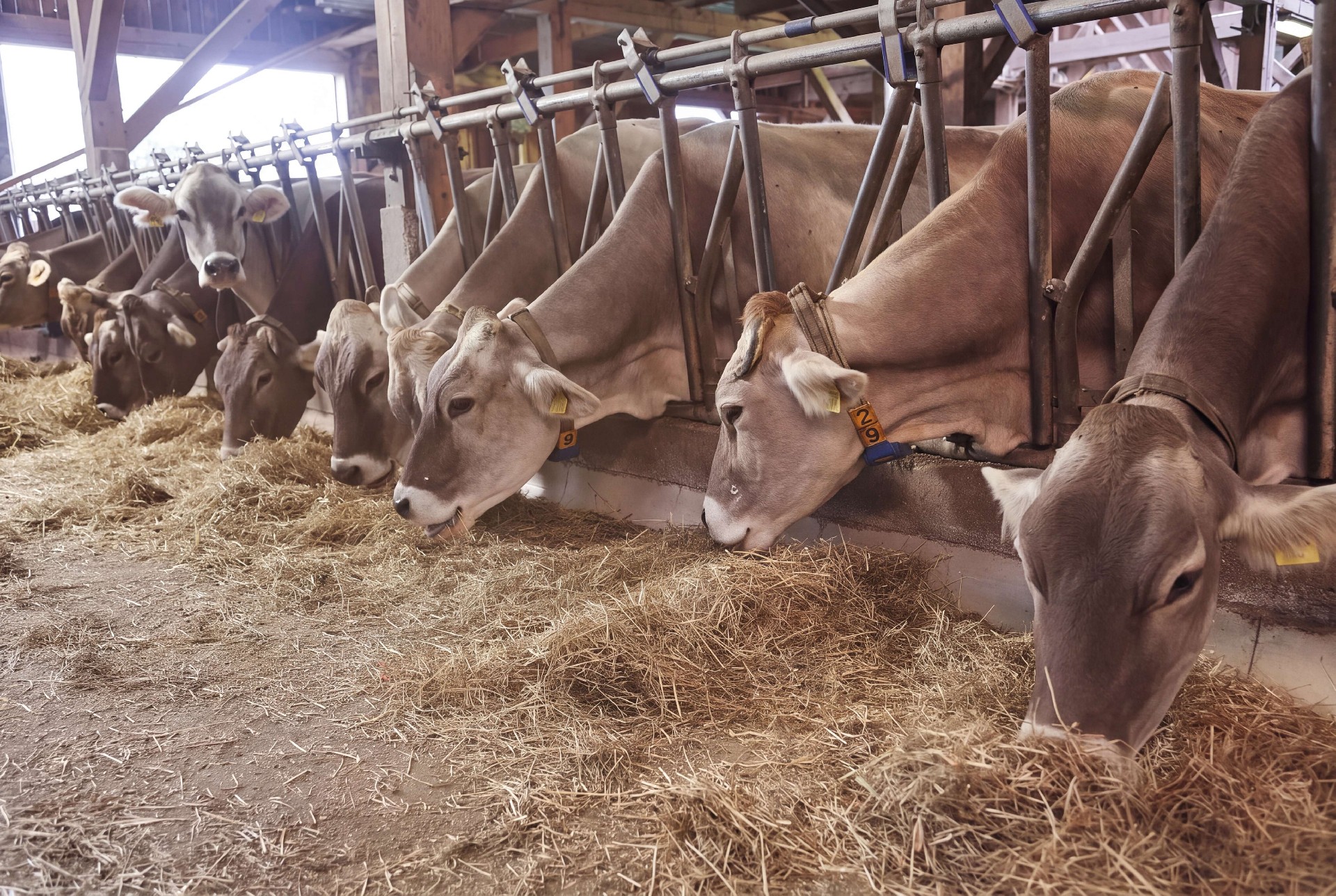
Safe livestock control depends on the race, gate, animal-contact device, anchor, chain, connectors and release. The aim is to restrain an animal only as much and as long as required for weighing, treatment, loading or an approved procedure, while limiting slipping, collision, entanglement and distress.
Typical Applications
Livestock holding systems
Animal restraint areas
Processing channel control
Farm management systems
Transport preparation zones
Choose the Handling Method First
Guiding and Holding
For group movement, species-appropriate races, crowd gates and pens normally provide better control than individual tethering. Routes need secure footing, no sharp projections and fewer shadows, glare, noise or dead ends that cause balking. Chain can retain a gate or provide secondary security; it should not replace a designed enclosure.
Individual Restraint
Head gates, restraint boxes, treatment stalls and halters should distribute contact through purpose-designed surfaces. Bare chain must not contact the neck or limbs where it can tighten, abrade or entangle. A tether needs a compatible collar or halter, articulation and controlled release. Species, size, horns, temperament and procedure determine the geometry.
Design the Complete Load Path
The load path runs through structure, anchor, chain, connector, swivel, release and restraint device. Capacity is governed by the weakest part. Anchor pull-out, connector side loading, gate deformation and wear must be evaluated with chain capacity.
Animal mass alone is not a design load: slack allows movement to become impact. Peak force depends on movement speed, arrest distance, stiffness and geometry. A competent designer must establish design load, safety factor and permissible restraint time under local rules.
Release and Operator Safety
A rated swivel can limit chain twist. Connectors must resist accidental opening and avoid unapproved cross-loading. Place the release outside kick, crush and head-swing zones. Powered gates need guarded pinch points, emergency stop and a safe state after power loss. Release must not allow a gate or loose chain to strike the operator.
Chain and Material Selection
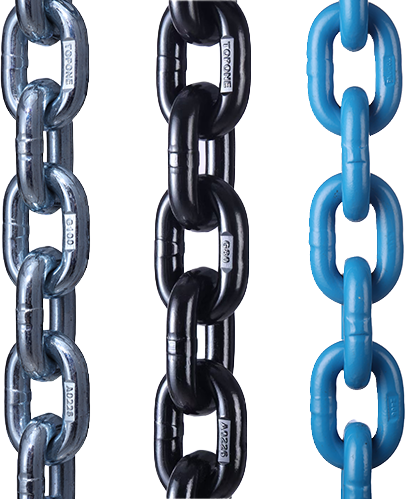
TOPONE Grade 30 proof coil chain is a general-purpose utility chain. It may be considered for rated, non-lifting gate retention or equipment connections only after working load, dimensions, anchors and end fittings are verified. It is not for overhead lifting. Grade 80 lifting chain should not be selected merely because it is stronger; lifting, transport and restraint products have different intended uses. Animals must never be suspended or hoisted with these assemblies.
Manure, humidity, ammonia-containing air and washdown chemicals accelerate corrosion. Galvanized carbon steel may suit compatible non-food-contact areas. Stainless steel can suit persistent wet or washdown zones and should have no coating. Grade, capacity, weld quality and corrosion allowance must be documented.
Animal-contact parts must be smooth, cleanable and burr-free. Separate lubricated chain from feed and exposed product zones. Minimize crevices holding manure or water, and verify cleaning-agent compatibility.
Welfare and Process Control
WOAH Chapter 7.5 treats handling and restraint as welfare control points and calls for competent personnel, suitable facilities and corrective action based on animal outcomes. Monitor slipping, falls, injuries and distress; stop when control is lost and release promptly when restraint is no longer required.
Local law determines permitted slaughter restraint. Within its scope, EU Regulation 1099/2009 prohibits suspending or hoisting conscious animals and mechanically clamping or tying their legs or feet, subject to its stated provisions.
Inspection and Replacement
Before use, inspect links and welds, connectors, swivel, release, anchor, gate and contact parts. Remove the assembly for assessment if a link is bent, twisted, cracked, deeply worn or severely corroded; a connector fails to lock; the release sticks; or sharp edges appear. Reinspect after panic, impact, abnormal gate loading or chemical change. Apply approved specification and manufacturer limits.
Information Required by TOPONE
Animal species, size range, horns and procedure
Restraint type, duration and release method
Maximum movement and arrest distance
Anchor positions and connector load directions
Manure, ammonia, weather and washdown exposure
Required chain dimensions, finish and traceability
Applicable welfare, machinery and legal requirements
Inspection and emergency procedures