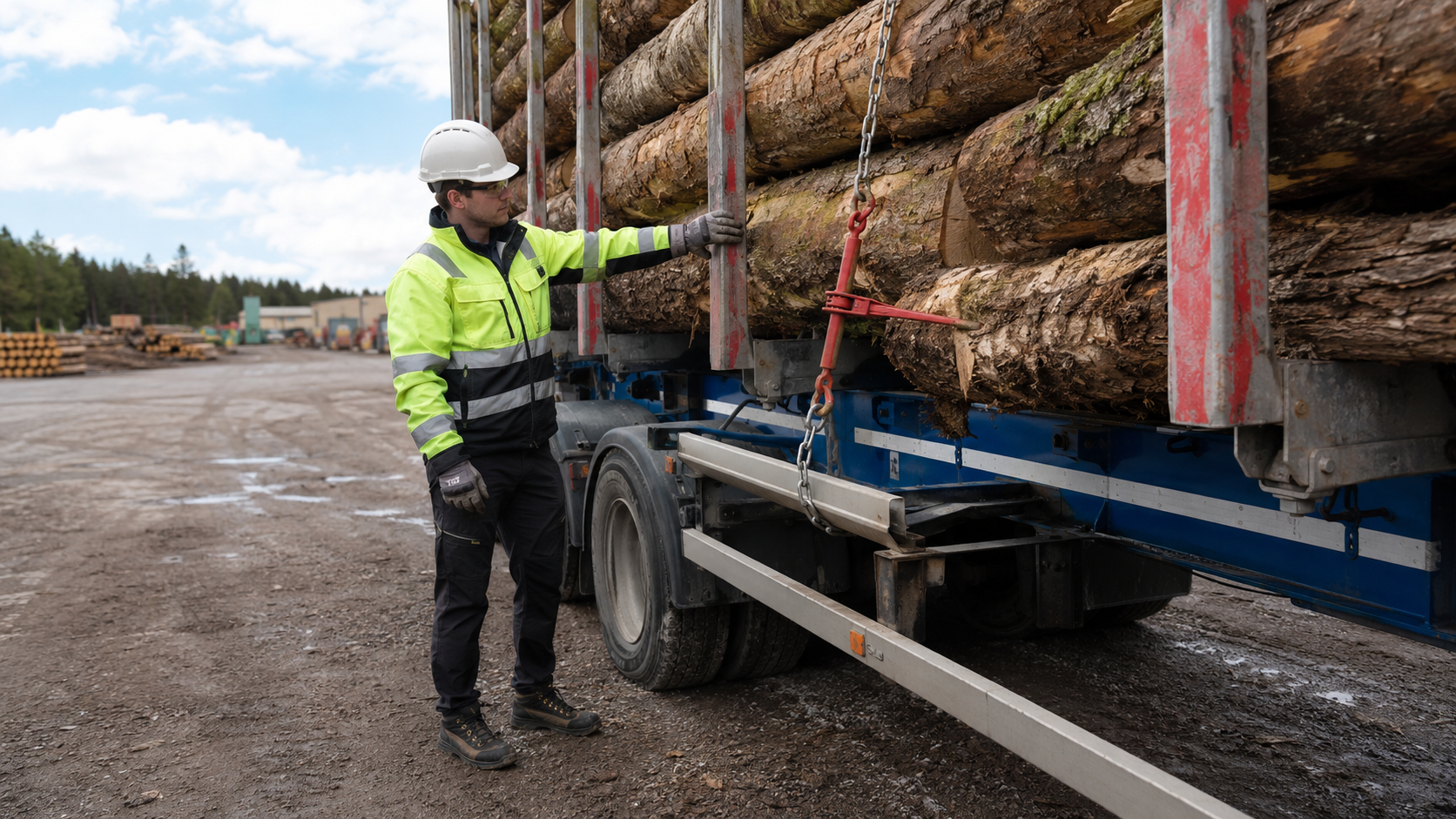
Forestry logistics move logs, timber bundles and sawn wood between forests, mills, ports and construction sites. Braking, cornering, vibration, uneven roads and changing weather can shift or loosen these loads. Roundwood and packaged lumber require different restraint plans.
Common Applications
Timber truck securing
Log transportation
Lumber cargo lashing
Forestry trailer systems
Port timber handling
Restrain Rolling Before Adding Tension
Round logs can roll even when sliding friction appears high. Suitable bunks, bolsters, stakes, stanchions, cradles or secured chocks should provide physical containment, with lashings adding restraint. Headboards, stakes, floors and anchor points may be credited only to their verified capacities.
Mud, loose bark, snow, ice and water change contact conditions. A dry-timber friction value must not be applied to wet or contaminated cargo without evidence. Anti-slip material may be credited only when its declared friction covers the actual timber, deck and contamination condition.
Selection requires cargo mass, centre of gravity, stack height, axle distribution, log diameter, bundle integrity and available anchor points.
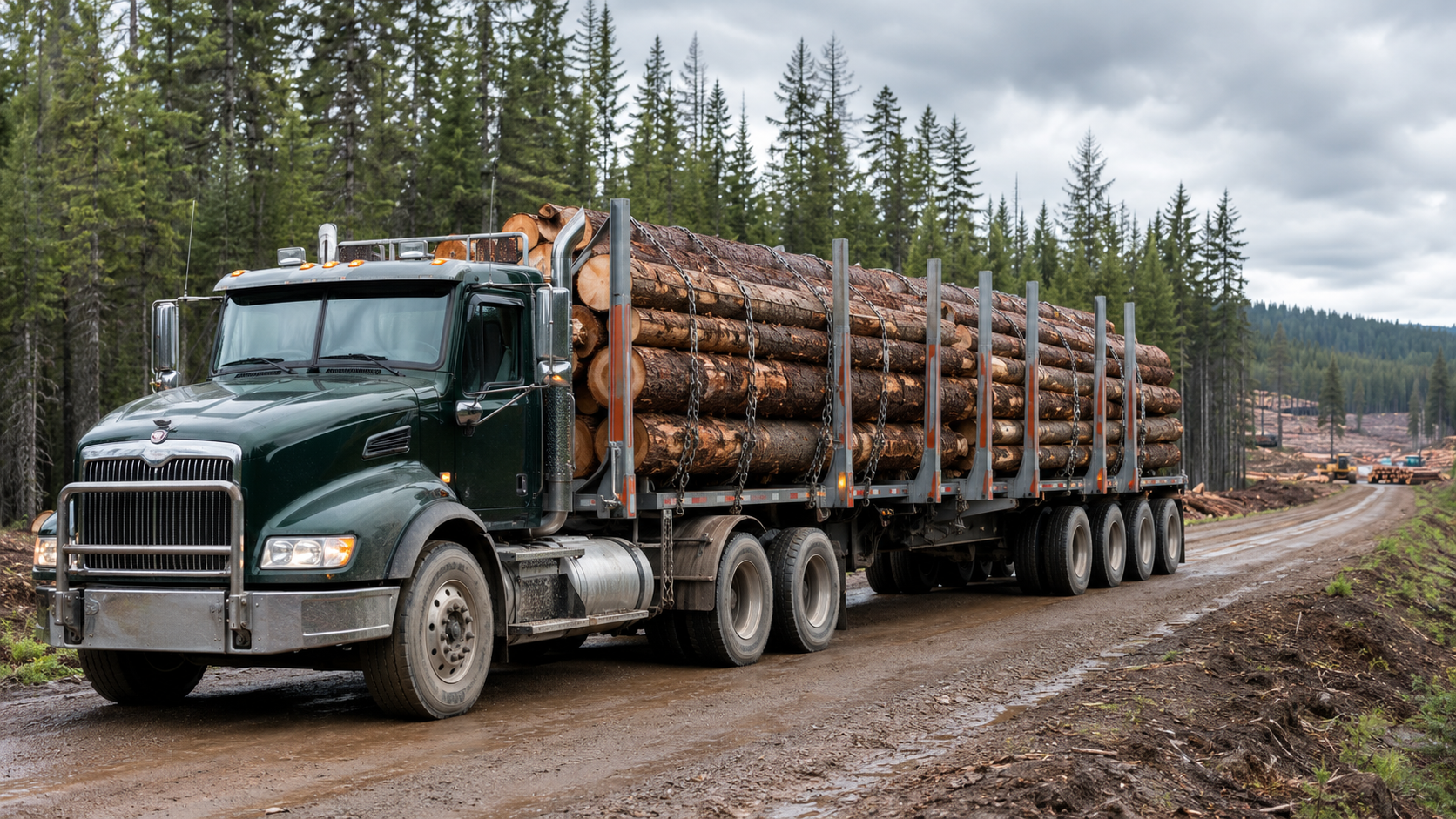
Choose the Lashing System
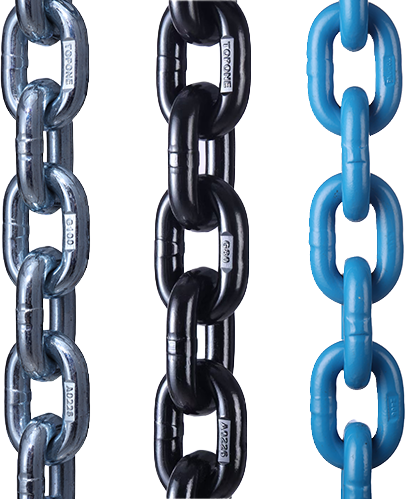
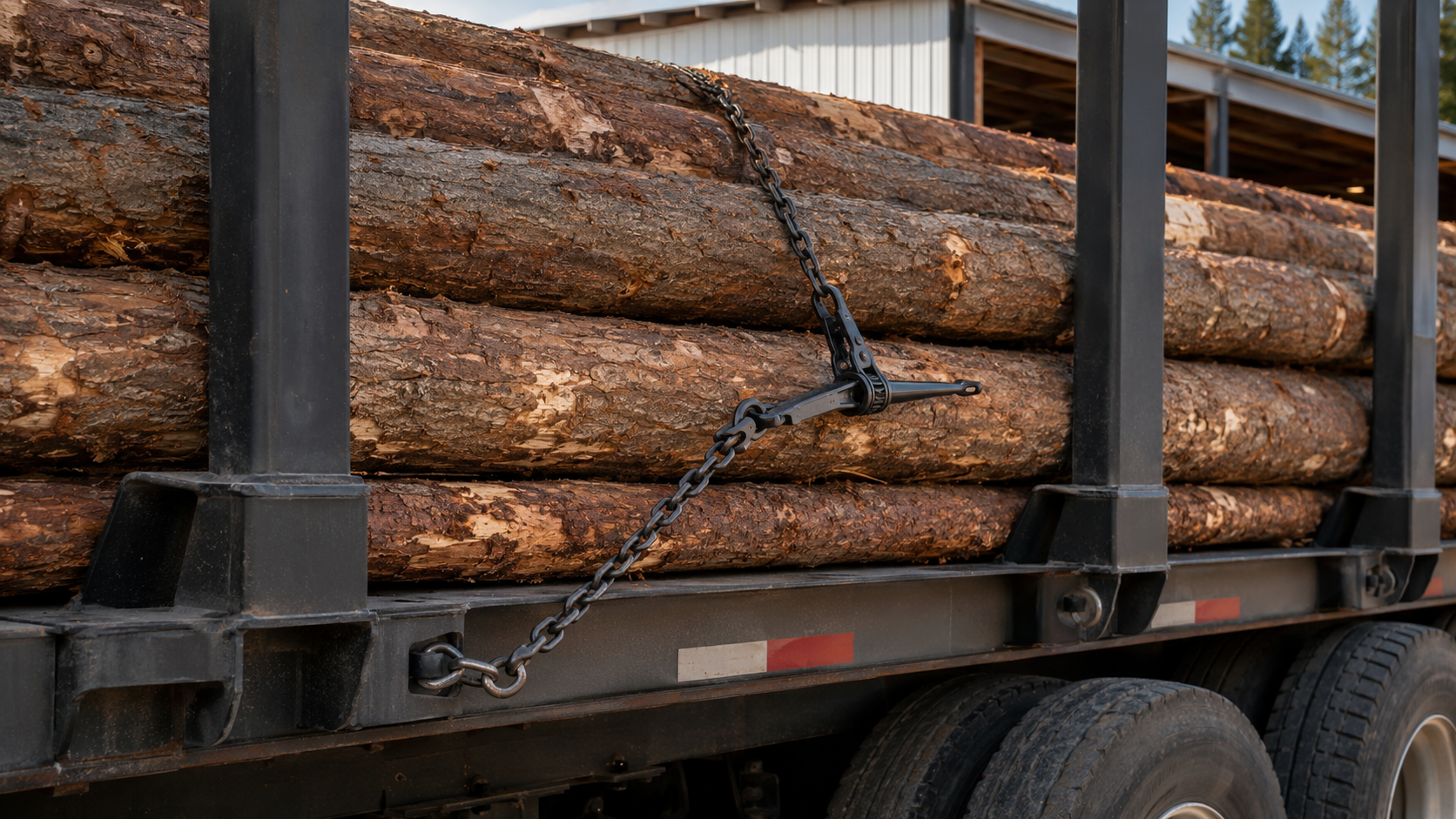
Lashing chain provides a compact steel restraint for rough timber surfaces. An assembly can include short-link chain, hooks, shortening components and a compatible tensioner. EN 12195-3 covers road-vehicle lashing chains. A lifting chain without the required lashing identification and data is not automatically a lashing chain.
Web lashings under EN 12195-2 are lighter and provide broad contact for strapped lumber and finished bundles. Sawn corners, metal banding and rough bark can cut webbing, requiring sleeves or corner protectors.
EN 12195-4 addresses lashing steel wire ropes. Rope construction, termination, tensioner and anchors must be verified together. A lifting wire-rope sling must not be assumed suitable for cargo restraint.
Ratchet binders provide gradual chain tensioning. Chain, binder, hooks and anchors need compatible ratings; the lowest rating limits the system. Extension handles require express manufacturer approval.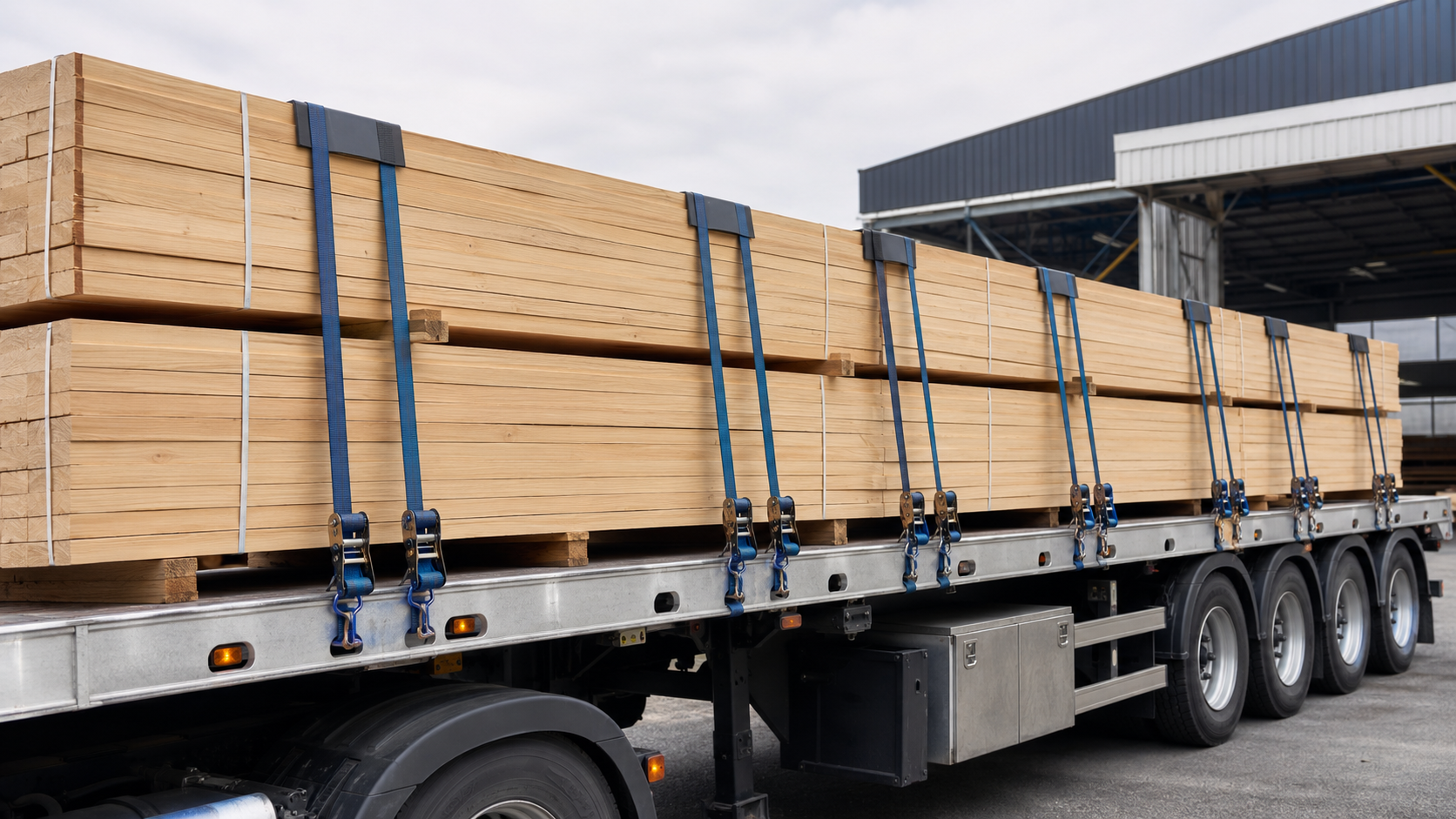
Materials and Manufacturing
Welded lashing chain requires controlled forming, welding, heat treatment and calibration. Verification should include weld examination, proof testing, dimensional inspection, permanent identification and batch traceability.
European assemblies are marked by lashing capacity, or LC. North American systems commonly state working load limit. Minimum breaking force cannot replace either rating. Coatings delay external corrosion but do not prevent contact wear. Remove salt, mud and bark residue before inspection and storage.
Hypothetical Forward-Force Check
EN 12195-1 provides road securing calculations. European guidance applies 0.8g forward and 0.5g sideways and rearward under normal road conditions.
Hypothetical inputs:
Cargo mass = 18,000 kg
Verified friction coefficient μ = 0.30
Four effective direct-lashing legs
Vertical angle = 35°
Horizontal deviation = 20°
Forward inertia = 0.8 × 18,000 × 9.81 = 141.3 kN
Credited friction = 0.30 × 18,000 × 9.81 = 53.0 kN
Unrestrained force = 88.3 kN
Before applying standard safety factors:
LC = 88.3 ÷ (4 × cos 35° × cos 20°)
LC ≈ 28.7 kN or 2,870 daN per effective leg
This is not a final securing plan. Final calculation must include safety factors, tipping, unequal sharing, verified blocking strength, actual angles and anchor capacities.
Inspection and Transport Control
Logs settle, bark breaks away and bundles compress, reducing pretension. Inspect chains for elongation, deformation, cracks, gouges and corrosion. Check webbing for cuts, abrasion, damaged stitching and readable labels. Examine wire rope for broken wires, kinks, crushing and termination damage.
Intervals depend on jurisdiction. In the United States, 49 CFR 392.9 requires inspection within the first 50 miles, then after a duty-status change or after 3 hours or 150 miles, whichever occurs first. U.S. rules distinguish logs under §393.116 from dressed lumber under §393.118.
For port or CTU operations, do not credit side walls without verified restraint capacity. Lashing-only equipment must not be used for lifting timber.
TOPONE supplies matched lashing chains, tensioners, hooks and connecting components developed from verified cargo, vehicle and route data.